
ServicesTreatment

ICSI Treatment
ICSI treatment is an advanced assisted fertilization technique in which a single selected sperm is injected directly into a mature egg to support fertilization. It may be recommended for certain cases of male infertility, previous fertilization difficulties, or other fertility concerns. Explore ICSI procedures, treatment options, benefits, costs, and success factors.
- 2 services Procedures and tests, explained one by one.
- 10 questions Answered by the clinical team.
- 3 clinics Network units, with hours and a map.
Overview
ICSI Treatment at a glance
ICSI treatment is an advanced assisted fertilization technique in which a single selected sperm is injected directly into a mature egg to support fertilization. It may be recommended for certain cases of male infertility, previous fertilization difficulties, or other fertility concerns. Explore ICSI procedures, treatment options, benefits, costs, and success factors.
Fact file
- Care area
- IVF and Fertility
- Treatment
- 02 of 03Next: Surrogacy
- Services
- 2 services, one page each
- Questions
- 10 answered
- Updated
Every service in ICSI Treatment
-
01
 Conventional ICSI
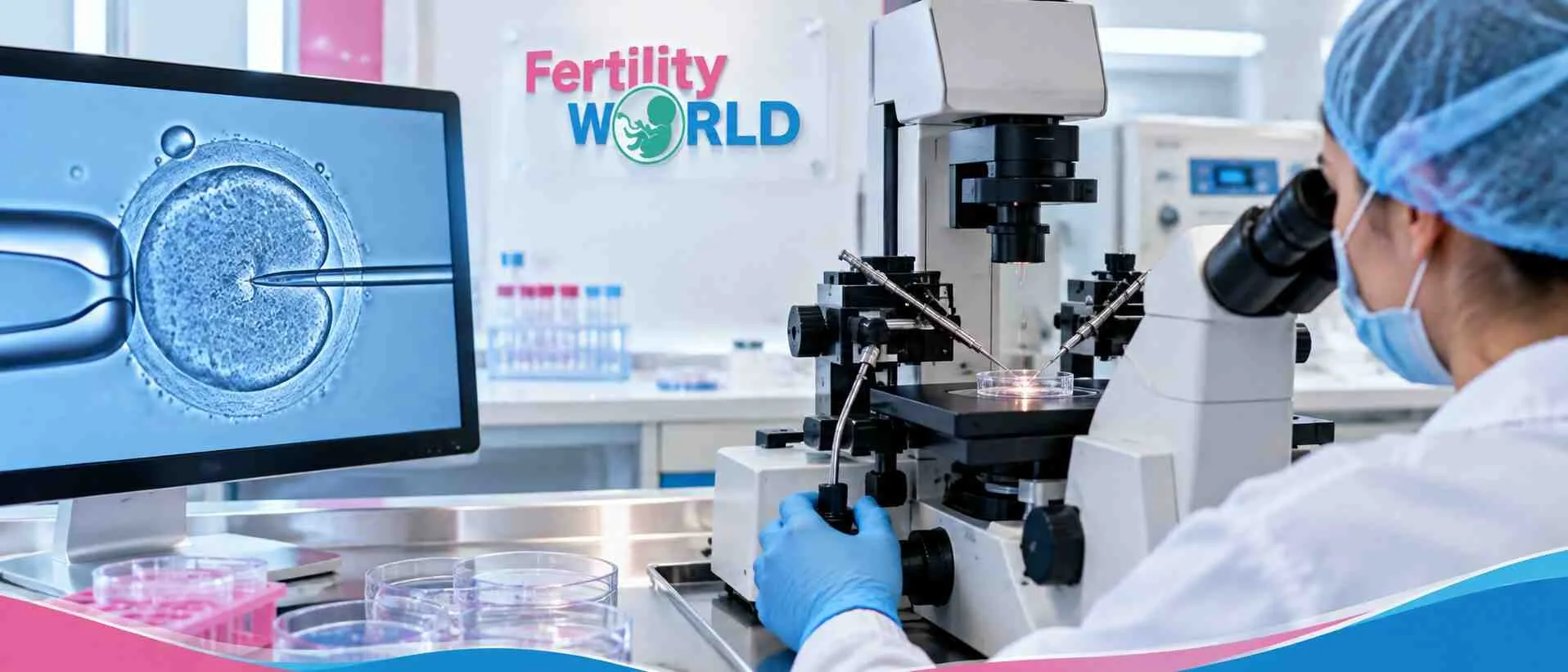
 places one healthy sperm inside each mature egg, helping fertilization happen when sperm cannot manage it alone. See who needs it, how the procedure works and what shapes success.
View service
-
02
Intracytoplasmic Morphologically Selected Sperm Injection
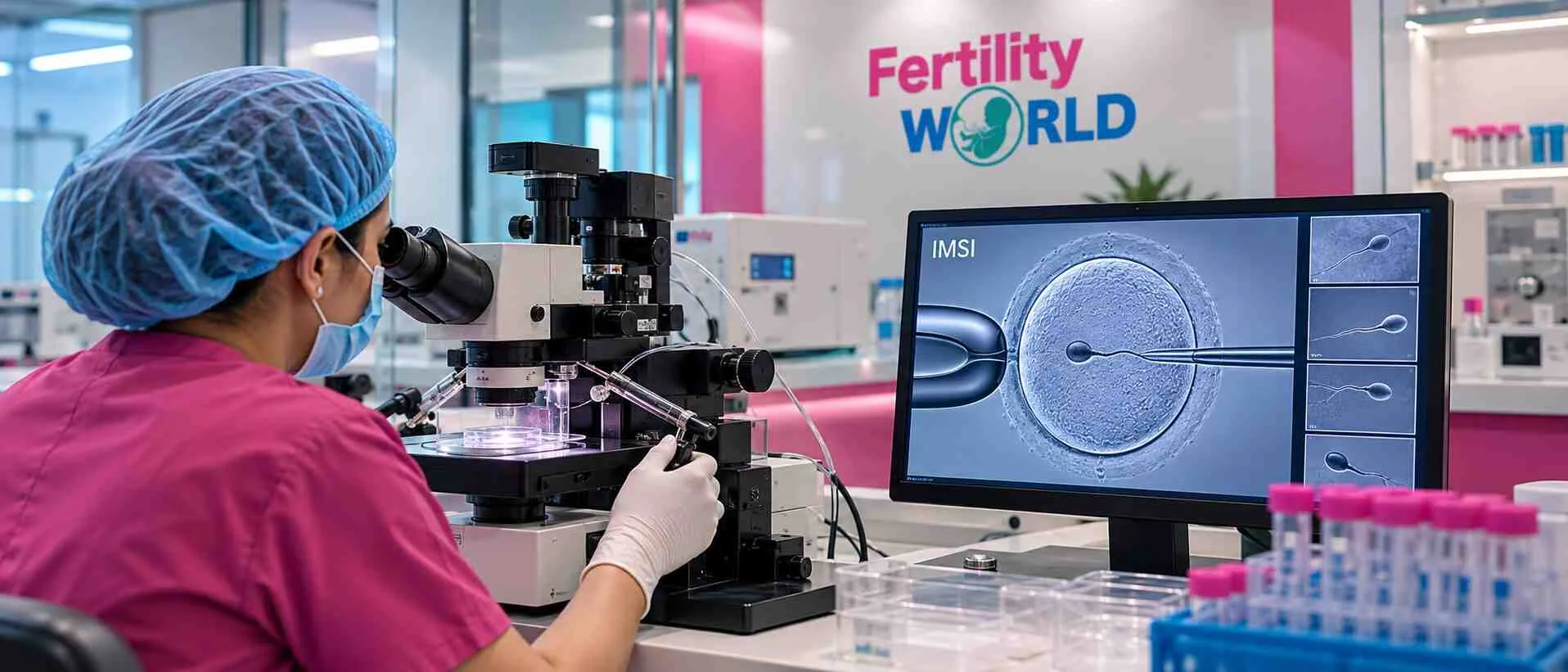
A failed ICSI cycle or a poor morphology report leaves you asking what went wrong. IMSI examines sperm at over 6,000x magnification before injection. Learn how it works, who it helps, what the evidence shows, the alternatives and what it costs.
View service
What people ask about ICSI Treatment
What is ICSI treatment?
ICSI treatment is an advanced IVF method where a single sperm is placed directly inside each mature egg. It helps couples when sperm struggle to fertilize the egg naturally in the lab.
What types of ICSI are available?
The main types are [conventional ICSI], IMSI, PICSI and Piezo ICSI. Each one differs in how sperm are selected or injected, and your doctor chooses the one that suits your results.
Can ICSI work if the male partner has zero sperm count?
Yes, in many cases. Sperm can often be collected directly from the testes through [TESA] or [PESA] and then used for ICSI, even when no sperm appear in the semen.
Are babies born through ICSI healthy?
Yes, most babies born through ICSI are healthy and develop normally. When male infertility has a genetic cause, genetic counselling helps you understand any small risks before treatment.
What is the difference between ICSI and IMSI?
Both place one sperm inside the egg. IMSI uses much higher magnification to study the sperm's shape in detail, which may help when sperm quality is very poor.
Does ICSI need more medicines than IVF?
No, the medicines stay the same. ICSI only changes the fertilization step in the lab, so your stimulation, egg retrieval and transfer follow a normal IVF plan.
Can ICSI be used for unexplained infertility?
It can be, especially after a cycle with poor fertilization. For couples with normal sperm, however, standard IVF often works just as well, so your doctor will guide you.
What happens if ICSI does not work?
Your doctor reviews the cycle's egg, sperm and embryo reports to understand why. The next plan may change the medicines, the sperm selection method or the embryo transfer approach.
Can frozen eggs be used for ICSI?
Yes. Frozen eggs usually need ICSI, because freezing can harden the egg's outer layer and make it harder for sperm to enter on their own.
Can ICSI be used to choose the baby's gender?
No. Fertility World does not support or disclose fetal sex determination or sex selection in any form, in line with the PCPNDT Act 1994.


Find the right care,
with guidance.
Tell us what you need help with. A coordinator can help you find the right specialist and understand the next steps.